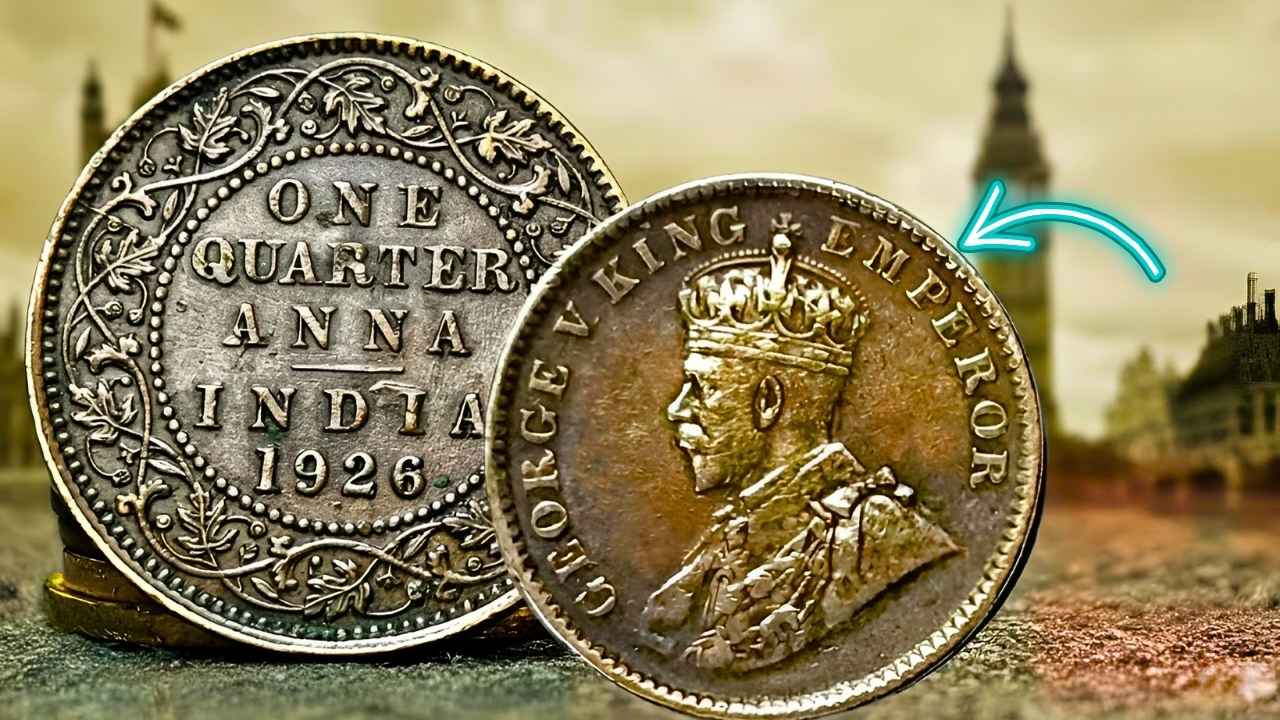
Rare British Indian Coin : The world of coin collecting is full of surprises, where small pieces of metal can hold immense historical and financial value. Among the most fascinating stories is that of a tiny British Indian coin that has been valued at an astonishing $220,000. This coin, once used in everyday transactions, has now become a prized treasure for collectors and historians alike. Its journey from circulation to auction halls demonstrates how rarity, history, and condition can transform an ordinary coin into an extraordinary artifact.
The Background of British Indian Coinage
British Indian coins were minted during the colonial period when India was under British rule. These coins carried designs that reflected both British authority and Indian culture. They were produced in various denominations, ranging from small copper pieces to silver and gold coins. The tiny coin in question belongs to this era, representing a time when currency was not only a medium of exchange but also a symbol of power and governance.
Why This Coin Is So Valuable
The value of a coin depends on several factors, including rarity, demand, and condition. This particular British Indian coin is rare because only a limited number were produced, and even fewer have survived in pristine condition. Its small size makes it unique, and its historical significance adds to its appeal. Collectors are willing to pay high prices for coins that represent important periods in history, and this coin embodies the colonial legacy of India while also being a scarce find.
The Role of Coin Grading
Professional grading plays a crucial role in determining the value of rare coins. Grading services assess coins based on their condition, including wear, luster, and strike quality. The tiny British Indian coin valued at $220,000 has been graded at a high level, meaning it shows minimal signs of wear and retains much of its original detail. Such coins are considered gems in the numismatic world, and their value increases significantly when certified by reputable grading authorities.

Historical Significance of the Coin
Beyond its monetary worth, the coin carries deep historical meaning. It represents a period when India was transitioning under British rule, and currency was a tool of administration and control. Coins from this era often featured monarchs such as Queen Victoria, King Edward VII, or King George V, depending on the year of minting. For historians, owning such a coin is like holding a piece of colonial history, offering insights into the economic and political landscape of the time.
Auction Houses and Record Sales
Rare coins often make headlines when they appear at prestigious auctions. The tiny British Indian coin valued at $220,000 was sold in such a setting, where collectors from around the world competed to own it. The bidding process was intense, with the final price reflecting not only the coin’s rarity but also the passion of collectors. Auction houses play a vital role in bringing rare coins to light, ensuring that they find homes where they will be preserved and appreciated.

The Appeal of Small Denominations
One of the most intriguing aspects of this coin is its size. Small denomination coins often go unnoticed, yet they can hold immense value when rare. Their tiny dimensions make them harder to preserve, as they were more likely to be lost or damaged in circulation. This scarcity adds to their appeal among collectors, who view them as hidden treasures waiting to be discovered. The $220,000 valuation proves that even the smallest coins can carry the greatest worth.
Lessons for Collectors
The story of this coin offers valuable lessons for collectors. First, it highlights the importance of knowledge. Understanding minting history, varieties, and grading standards can help identify valuable coins. Second, it shows that preservation matters. Coins kept in protective holders and handled carefully retain their condition and value. Third, it reminds collectors that rarity is not always about size or denomination. Even the tiniest coin can become a prized possession if it is rare and historically significant.

The Market for British Indian Coins
The market for British Indian coins has grown steadily over the years. Collectors from India and abroad seek these coins for their historical and cultural significance. While many coins from the colonial period are common, rare varieties and well‑preserved examples can command high prices. The $220,000 coin is an extreme case, but it reflects the broader trend of increasing interest in British Indian numismatics. As more collectors enter the market, values are likely to remain strong.
How to Identify Valuable British Indian Coins
For those curious about their own coins, identifying valuable British Indian pieces requires careful examination. Look for key dates, unusual mint marks, and rare varieties. Coins struck in limited numbers or with errors are often more valuable. Condition is equally important, as coins in mint state are far more desirable than worn examples. Consulting reference guides and seeking professional grading can help determine whether a coin is truly valuable.

The Future of Coin Collecting
Coin collecting continues to thrive in the modern era, with digital platforms and online auctions making rare coins more accessible. Younger generations are discovering the joy of numismatics, ensuring that the hobby will endure. The story of the tiny British Indian coin valued at $220,000 serves as inspiration, proving that treasures can be found in the most unexpected places. As collectors continue to explore history through coins, the fascination with rare finds will only grow stronger.
Conclusion
The tiny British Indian coin worth $220,000 is more than just currency. It is a symbol of history, rarity, and the enduring passion of collectors. From its origins in colonial India to its record‑breaking auction, it represents the perfect blend of artistry and investment. For collectors, it serves as both inspiration and motivation, reminding us that even the smallest objects can carry immense meaning. Whether tucked away in a drawer or displayed in a collector’s case, coins like this continue to captivate hearts and minds, proving that history can be held in the palm of our hand.