Bicentennial Quarters Value Guide : Coin collecting is a hobby that blends history, artistry, and the thrill of discovery. Among the many coins that have captured the imagination of collectors, Bicentennial Quarters stand out as a unique symbol of American pride. Released in 1975 and 1976 to celebrate the 200th anniversary of the nation’s independence, these quarters are more than just pocket change. They represent a moment in history when the United States honored its past while looking toward the future. Today, many people wonder whether the Bicentennial Quarters tucked away in their drawers or coin jars could be worth more than twenty‑five cents.
The Story Behind Bicentennial Quarters
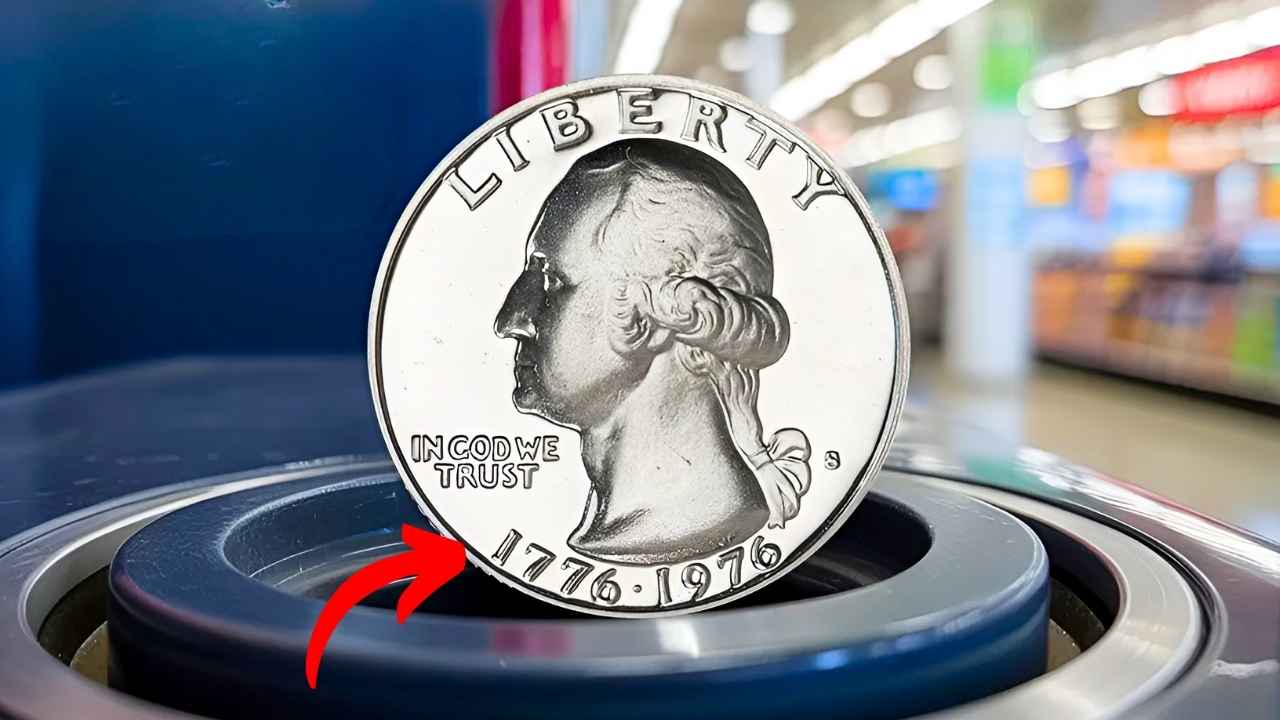
The Bicentennial Quarter was introduced as part of a special coinage program to commemorate America’s 200th birthday. Unlike the standard Washington Quarter, these coins featured a distinctive reverse design created by Jack L. Ahr. The image shows a colonial drummer with a torch of victory surrounded by thirteen stars, symbolizing the original colonies. The obverse retained George Washington’s portrait but carried the dual date “1776‑1976,” making it instantly recognizable.
These coins were minted in massive numbers at the Philadelphia, Denver, and San Francisco mints. While most were struck for circulation, special proof and silver versions were also produced for collectors. The widespread distribution ensured that nearly every American encountered these coins, embedding them in the nation’s collective memory.
Common Bicentennial Quarters in Circulation
Most Bicentennial Quarters found in circulation today are worth only their face value. Millions were produced, and the majority show signs of wear from everyday use. For collectors, circulated examples without unique features or errors generally hold little premium. However, even common coins can carry sentimental value, reminding people of the patriotic celebrations of 1976.
Factors That Influence Value
The value of a Bicentennial Quarter depends on several key factors. Condition is one of the most important. Coins graded as uncirculated or mint state, with sharp details and no signs of wear, are far more desirable than worn examples. Rarity also plays a role. While most Bicentennial Quarters are common, certain varieties, such as those struck in silver or with minting errors, can command higher prices. Provenance and demand further influence value, especially when collectors seek specific types to complete their sets.
Silver Bicentennial Quarters
One of the most sought‑after versions is the silver Bicentennial Quarter. These were produced in limited numbers and sold in collector sets by the U.S. Mint. Containing 40 percent silver, they hold intrinsic value beyond their face denomination. Depending on silver prices and condition, these coins can be worth several dollars or more. Collectors prize them not only for their metal content but also for their historical significance as part of the Bicentennial coinage program.
Proof and Mint Sets
The U.S. Mint also released proof sets and uncirculated mint sets featuring Bicentennial Quarters. Proof coins are struck with specially polished dies, resulting in sharp details and mirror‑like surfaces. These coins were never intended for circulation and remain popular among collectors. Mint sets, containing coins from each mint, offer another way to own pristine examples. Values for these sets vary, but well‑preserved proof Bicentennial Quarters can fetch higher prices than their circulated counterparts.
Error Varieties and Rare Finds
Perhaps the most exciting aspect of coin collecting is the possibility of discovering an error coin. Bicentennial Quarters with double strikes, off‑center designs, or other minting mistakes are rare but highly valuable. Collectors often pay significant premiums for these unusual pieces, as they represent anomalies in the minting process. While the chances of finding such a coin in circulation are slim, stories of unexpected discoveries continue to inspire treasure hunters.
Market Trends and Collector Interest
The market for Bicentennial Quarters has remained steady over the years. While most examples are common, the enduring popularity of the design ensures ongoing demand. Collectors often seek them as part of complete Bicentennial sets, which include the quarter, half dollar, and dollar coins. The patriotic theme and distinctive design make them appealing even to casual collectors. As with all coins, values fluctuate based on market conditions, grading standards, and collector interest.
How to Determine the Value of Your Coin
If you suspect your Bicentennial Quarter might be worth more than face value, the first step is to examine its condition. Coins with sharp details, no scratches, and original luster are more valuable. Next, check whether it is a silver version or part of a proof set. Finally, consider having it professionally graded by a reputable service. Grading provides an official assessment of condition and authenticity, which can significantly increase a coin’s marketability.
Collecting Bicentennial Quarters Today
For new collectors, Bicentennial Quarters offer an accessible entry point into numismatics. They are easy to find, inexpensive in most cases, and carry historical significance. Building a collection can involve gathering examples from each mint, acquiring proof and silver versions, or searching for rare error coins. Whether pursued as a hobby or an investment, collecting Bicentennial Quarters connects enthusiasts with a pivotal moment in American history.
Conclusion
The Bicentennial Quarter is more than just a coin. It is a piece of history that reflects the spirit of 1976 and the celebration of America’s 200th anniversary. While most examples remain common and worth only twenty‑five cents, certain varieties and conditions can elevate their value significantly. From silver proofs to rare errors, these coins continue to intrigue collectors and inspire curiosity. For anyone holding onto Bicentennial Quarters, the journey of discovery begins with a closer look. You may find that what seems like ordinary change carries extraordinary meaning and, in some cases, surprising worth.